Used server vs mini PC: power, noise, cost
A used rack server can idle near 80–120 W; a mini PC often idles near 10–25 W. At $0.17/kWh that gap costs roughly $140 extra per year, every year. Start with the mini PC unless you need the horsepower.
Updated 2026-09-23 · Watt ranges community-measured · Sources below
Do the 3-step math
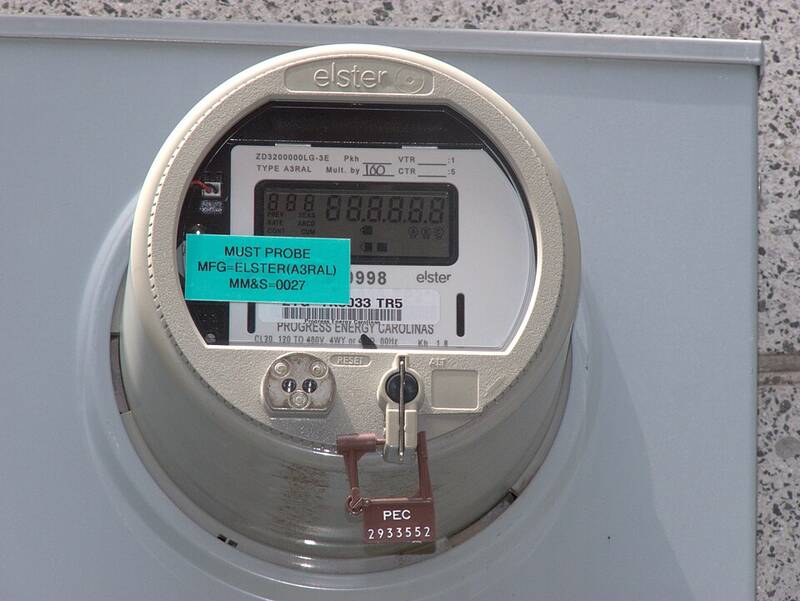
- Find each box’s idle watts. Idle matters most because a NAS idles 20+ hours a day. Use the table below for a first guess, or better, measure your own box with a plug meter for a week.
- Turn watts into dollars. Yearly cost = watts × 24 × 365 / 1000 × your $/kWh rate. Say a box idles at 120 W and your rate is $0.17: that is about $179 per year. A 25 W box at the same rate is about $37. Our power estimator does this in one click.
- Compare 3-year totals, not stickers. Add buy price plus three years of power for each option. Say the used server is $200 cheaper to buy but burns $140 more power per year: the efficient box pulls ahead before year two. Cheap to buy is rarely cheap to own.
Typical idle watts and what they cost
| Box type | Idle watts* | Per year at $0.17/kWh | Noise |
|---|---|---|---|
| Mini PC (efficient chip) | 10–25 W | $15–37 | Silent to whisper |
| Prebuilt 2–4 bay | 15–30 W | $22–45 | Whisper |
| DIY, desktop parts | 30–60 W | $45–89 | Quiet to hum |
| Used office PC | 60–120 W | $89–179 | Hum |
| Used rack server | 80–150 W+ | $119–223+ | Small airport |
*Ranges from community idle reports, not lab tests. Your drives, fans, and apps shift the number. A plug meter settles it for your box.
The honest math
Watt figures here are ranges from community idle reports, not lab tests. Your exact box will differ, and a plug meter settles it. But the shape holds: old enterprise gear was built for speed per rack, not watts per closet.
Take 120 W vs 25 W at $0.17/kWh. The big box costs about $179/year; the small one about $37/year. Over three years the gap tops $420. Plug your own numbers into the power estimator and watch the gap move with your rate.
Noise and heat matter too
Watts become heat, and heat needs fans. A rack server in a spare room sounds like a small airport. A mini PC hides behind a TV. For most people sharing a home with others, noise kills the server dream before cost does.
Say you still want the big iron for learning virtualization. Fine — but give it a power switch habit, or a metered trial month. Measure with a plug meter and keep what the numbers justify.
When the used server still wins
Three cases beat the math. One: you need many cores for virtual machines and accept the bill as tuition. Two: the box lives somewhere noise and heat do not matter. Three: it was free and you will replace it within a year once you know your real needs.
Outside those cases, the mini PC wins for files and films. A common mistake is buying horsepower “just in case” and paying the idle tax for five years. Buy for the workload you can name today.
Quick answers
Why do idle watts matter more than max watts?
A NAS idles 20+ hours a day and works hard for minutes. The idle number sets your bill. The brick label shows the max, which you may never reach.
Do sleeping drives save much?
A few watts per drive. It adds up across six bays, but the CPU, board, and fans set the floor. Fix the big parts first.
Should I schedule the server off at night?
For a backup-only box, yes: on for the backup window, off otherwise. For a daily-use NAS, no: spin-up wear and missed tasks eat the savings. Measure both ways.
Does the power supply matter?
Yes, at low loads. An oversized cheap supply wastes more at 30 W idle than a right-sized efficient one. If your box idles oddly high, the PSU is a usual suspect.
Is a used rack server ever the right first box?
Only to learn server skills fast, with eyes open about the bill and noise. For files and films, start small and quiet. Your housemates will thank you.
Go deeper
- Power cost estimator — run your two options head to head.
- Measure your idle watts — the week-long meter method.
- ServeTheHome — server reviews with real idle numbers.
- First NAS hardware — what to buy instead.
- r/homelab — search “idle watts”; owners post meter photos.
Bottom line: mini PC for files and films, used server only when you can name the workload that needs it. Most guides praise cheap used servers and skip the power bill. This one puts the bill first.
Sources
Was this helpful?
Spot an error?